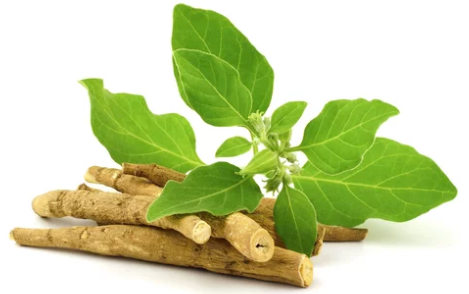
Ashwagandha is a plant that originates from parts of India, Africa, and the Middle East. It has been gaining popularity and flooding pharmacies for its ability to reduce stress, amongst other things.
And who here can say they haven’t experienced some type of stress this week?
In this post, I’ll dive into 5 benefits of ashwagandha and ways it can help improve your health, especially as a woman!
Disclosure: This post may contain affiliate links. For more information, please see our Disclaimer Policy.
6 Benefits of Ashwagandha in Women
1. Eases menstrual pain and other PMS symptoms

It’s no secret millions of women across the world struggle at least monthly due to unbearable pain caused by their periods. I can definitely attest to it! Luckily for us, there are many options we have to alleviate period pain… not so many for the other PMS symptoms sadly.
We’re probably all familiar with ibuprofen (Advil/Motrin) and acetaminophen (Tylenol) but those don’t usually touch our moody moments. For that, oftentimes we’d have to go to a doctor and they’ll give us their drug of choice… which will oftentimes be either birth control or antidepressants. Talk about throwing the kitchen sink right?!
Now, for the ladies who are looking for more natural ways to manage their menstrual pain and their lovely PMS symptoms, Ashwagandha may be a perfect option for you!
Ashwagandha has been shown to regulate mood and reduce the sensation of pain. As an adaptogenic herb, it can help your body adjust to stress, which is known to cause some of the same symptoms as PMS.
It also reduces the sensation of pain by lowering inflammation within the body while increasing dopamine production (which in turn regulates emotions).
Both these effects may help relieve painful menstrual cramps caused by prostaglandins – chemicals released by the uterus during menstruation that cause contractions in smooth muscle tissue throughout your body (including intestines).
2. Helps with thyroid function
How many of us have gone to the doctor and have been diagnosed with hypothyroidism, or low thyroid? Probably a good number of us, especially if you’re taking any form of, estrogen-containing, oral contraceptive (aka birth control pills).
Fun fact: Estrogen-containing birth control has been associated with thyroid dysfunction.
That’s why it’s so important to be familiar with labs you routinely take and don’t be shy. Talk it through with your doctor, that’s what they are there for.
So, how on earth does ashwagandha help with your thyroid?
Your thyroid is a gland that produces hormones (T3 and T4). If there is one thing you should know, know that these hormones have the potential to affect MANY different parts of our body, especially impacting metabolism.
Ashwagandha is an adaptogen, a class of herbs that help the body deal with stress in a healthy way. Adaptogens can help regulate thyroid hormones and improve the body’s ability to handle stress. This makes ashwagandha beneficial for women who are experiencing hormone imbalances and/or feel stressed often.
If your doctor or endocrinologist has you on long-term treatment for thyroid disease, trying ashwagandha may do more harm than good. However, for those who have a new or relatively recent diagnosis with thyroid disease, consider talking to your doctor about trying ashwagandha to manage it.
3. Boosts Your Immune System

The COVID-19 pandemic helped open many eyes to alternative remedies and vitamin and supplement options. I mean… what do you do when no doctor wants you in their office and no one wants to go to the emergency department.
At the time, COVID was known to target those with weak immune systems and those with underlying conditions. So, everyone and their mom wanted to know how to boost their immune system.
We could have built a village with the amount of vitamin C that was purchased in 2020 and 2021!
But, vitamin C isn’t the only supplement that can help improve our immune systems. Ashwagandha has been shown to improve cell-mediated immunity.
What does that mean?
Cell-mediated immunity is what I like to call the big guns. Think about this for a second… Do you remember learning that your skin is the first line of defense? Well… there are two main parts to it.
Think of the immune cells that are part of the first line of defense as Hulk. He sees it, he smashes it. The second line of defense (aka cell-mediated immunity) is more sophisticated. It’ll involve the creation of antibodies which makes it perfect for targeting specific infections, including viral like COVID.
That being said, those of us who have any form of autoimmune disease should avoid using Ashwagandha as it could result in flair-ups or cause the autoimmune disease to worsen.
4. Considered an Anti-inflammatory and antioxidant.
Ashwagandha is an herb that has anti-inflammatory and antioxidant properties. Side thought… does anyone else feel like the words, “anti-inflammatory” & “antioxidant” is a catch-all phrase when it comes to anything related to health and beauty?
And do we know what each term means, when it comes to the fundamentals?
Anti-inflammatory
Clearly anti-inflammatory means to reduce inflammation, but how does inflammation come about? And why is it all that bad?
Our body, in the peak of health, actually uses inflammation in a positive way, as a band-aid for infections and physical trauma to name a few. Our body picks up the site of infection or injury and releases inflammation markers that attract the necessary cells for repair to the specific area of the body. Once the issue is resolved the release of these inflammation markers cease and levels are returned to baseline.
Inflammation becomes a problem when your body doesn’t return to baseline and continually releases inflammatory cells throughout your body. How it comes about ranges from poor lifestyle choices to having an immune system that has gone haywire.
The saddest part is inflammation results in so many diseases.
- heart disease
- diabetes
- obesity
- cancer
- rheumatoid arthritis
- psoriasis
- and many other conditions
Some of the early signs of chronic inflammation include fatigue, body pain, weight gain or loss, and even insomnia to name a few. If this sounds like you, consider adding ashwagandha to your supplements in addition to a healthy diet to reduce inflammation.
Antioxidant
The word antioxidant is a bit more abstract but ask anyone and they’ll tell you that an “antioxidant” is a good thing.
Oxidation or oxidative stress is a natural process where free radicals attack healthy cells, causing damage to DNA and proteins, of which are literally the foundation of our existence.
Ashwagandha, has been shown to help reduce oxidative stress in the body. Some studies suggest ashwagandha helps reduce oxidative stress by reducing cytokines (cell signaling molecules) that are responsible for inflammation and chronic diseases, mentioned above.
Some common causes of oxidation include:
- Smoking
- UV exposure
- Radiation
- Pollution
- Processed foods, trans fats and certain dyes/additives
In addition to ashwagandha, consider eating fruits and vegetables rich in vitamin A, C, and E as they are rich in antioxidants.
5. Shown to Reduce anxiety & depression.

Ashwagandha is one of the most popular natural remedies for anxiety and depression. It has been used for centuries in India to treat a variety of symptoms and it’s gaining popularity here in the states.
In fact, if you go to your local retail pharmacy, they’ll likely have a “destress section” with a plethora of supplements to choose from. Pick one up and turn the bottle or box to the supplement facts and you will likely see ashwagandha listed.
The root of the ashwagandha plant contains a compound called withanolides that has been shown to have antidepressant effects in animal models. Research suggests ashwagandha can help reduce stress, anxiety, and depression by reducing cortisol levels in the body.
If you weren’t already aware, cortisol is our body’s lovely stress hormone. But let’s pause before any of us wish that it didn’t exist. The reason being certain levels of this stress hormone actually gets us going in the morning… not just that morning coffee!
Cortisol is a hormone, which needs to be maintained within a certain range. Too little can result in certain issues, while too much can result in issues like anxiety and depression. Our bodies are typically great at returning to range, but in cases where dysregulation occurs natural supplements like ashwagandha can help.
The Journal of Alternative and Complimentary Medicine has studies that have shown positive results for stress and anxiety reduction in human studies for subjects taking up to 600 mg of ashwagandha a day.
It’s important to note that it takes time before you start feeling the effects of the herb. Ashwagandha can take up to six weeks before it starts working on your body’s chemistry and helps with your mood.
Always speak to your doctor before starting any new supplements, especially if you are already on medication for mood, depression, or anxiety.
6. Increases Libido in Women too.
This one’s a treat! Ashwagandha has also been shown to increase libido in both men and women.
It may improve sexual desire by increasing dopamine levels which play an important role in sexual arousal. These effects have been seen especially among menopausal women who suffer from low libido.
Now that doesn’t mean that younger women can’t benefit! Younger women experiencing low libido or sex drive can also benefit from the use of ashwagandha.
There are many possible causes for low sex drive in women. Low libido can be due to stress, anxiety disorders, depression, the medications used to treat depression or hormonal imbalances caused by a range of underlying issues such as polycystic ovarian syndrome or even menopause. However, the most common cause of decreased libido in women seems to be due to stress.
If you’re not anywhere near perimenopause and notice that you’re having a difficult time enjoying sex with your partner…
NOTE: Assuming your partner is proficient at the task…
you may be experiencing stress-induced hormonal imbalances. Consider using ashwagandha to help rebalance your hormones. It’s been shown to be an effective adaptogen and, as I’ve mentioned above, adaptogens have been shown to help counteract the effects of stress in the body.
Ashwagandha has a lot of benefits for women’s health!
Ashwagandha is a powerful and all-natural adaptogen that has been used for centuries to treat many diseases and health issues, not limited to the ones mentioned in this article.
If you want to ease menstrual pain, reduce PMS symptoms, boost your immune system, decrease anxiety, or have started to show early signs of thyroid disease, diabetes or any of many ailments mentioned above, consider taking ashwagandha or talking to your doctor about using it.
The fact that you are reading this article is a testament to the fact that you take your health seriously enough to research it on your own. Nevertheless, always discuss with your doctor or healthcare provider before taking any advice that you’ve received during your personal research. And most definitely talk to your doctor or pharmacist before taking any new supplements to ensure there are no drug-drug or drug-disease interactions that would be detrimental to your health.
I aim to always equip you with information that will enable you to make informed decisions about your health. Take care and stay well~